Digital Marketing Strategy for Small Businesses
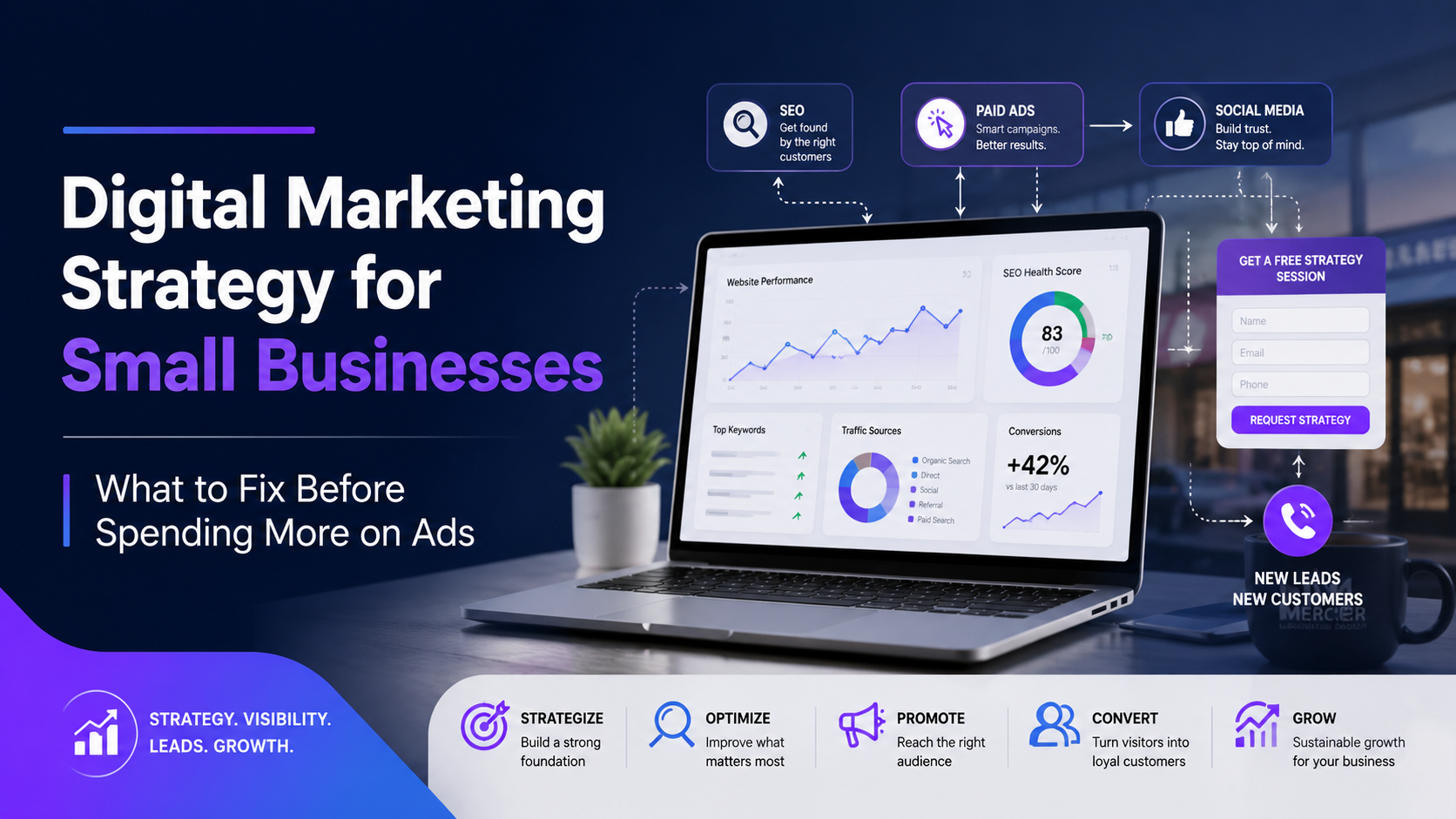
Digital Marketing Strategy for Small Businesses: What to Fix Before Spending More on Ads
Stop Paying for Random Marketing Before Your Foundation Is Ready
A lot of small business owners know they need marketing, but they are not always sure where to start. So they try a little bit of everything.
They boost a Facebook post. They run a Google Ad. They post on Instagram when they remember. They update a page on their website. They hire someone for one small task. Then, a few weeks later, they wonder why the phone is not ringing more.
The problem is usually not that marketing does not work. The problem is that the pieces are not working together.
A smart digital marketing strategy gives your business a plan before you spend more money. It helps you understand what needs to be fixed first, what should come next, and how each piece of your online presence should support the same goal: getting found, building trust, and converting more visitors into leads or customers.
For businesses in Brevard County, Palm Bay, Melbourne, Suntree, Indian River County, throughout Florida, and across the country, the goal is the same: build a marketing system that helps the right people find you, trust you, and take action.
If you are a small business owner trying to grow your business online, here is what to fix before spending more on ads, SEO, social media, or random marketing tasks.
1. Marketing Without Strategy Usually Turns Into Expensive Guessing
Posting just to post is not a strategy.
Running ads without a strong website is not a strategy.
Paying for SEO without knowing what pages, keywords, or conversion goals matter most is not a strategy.
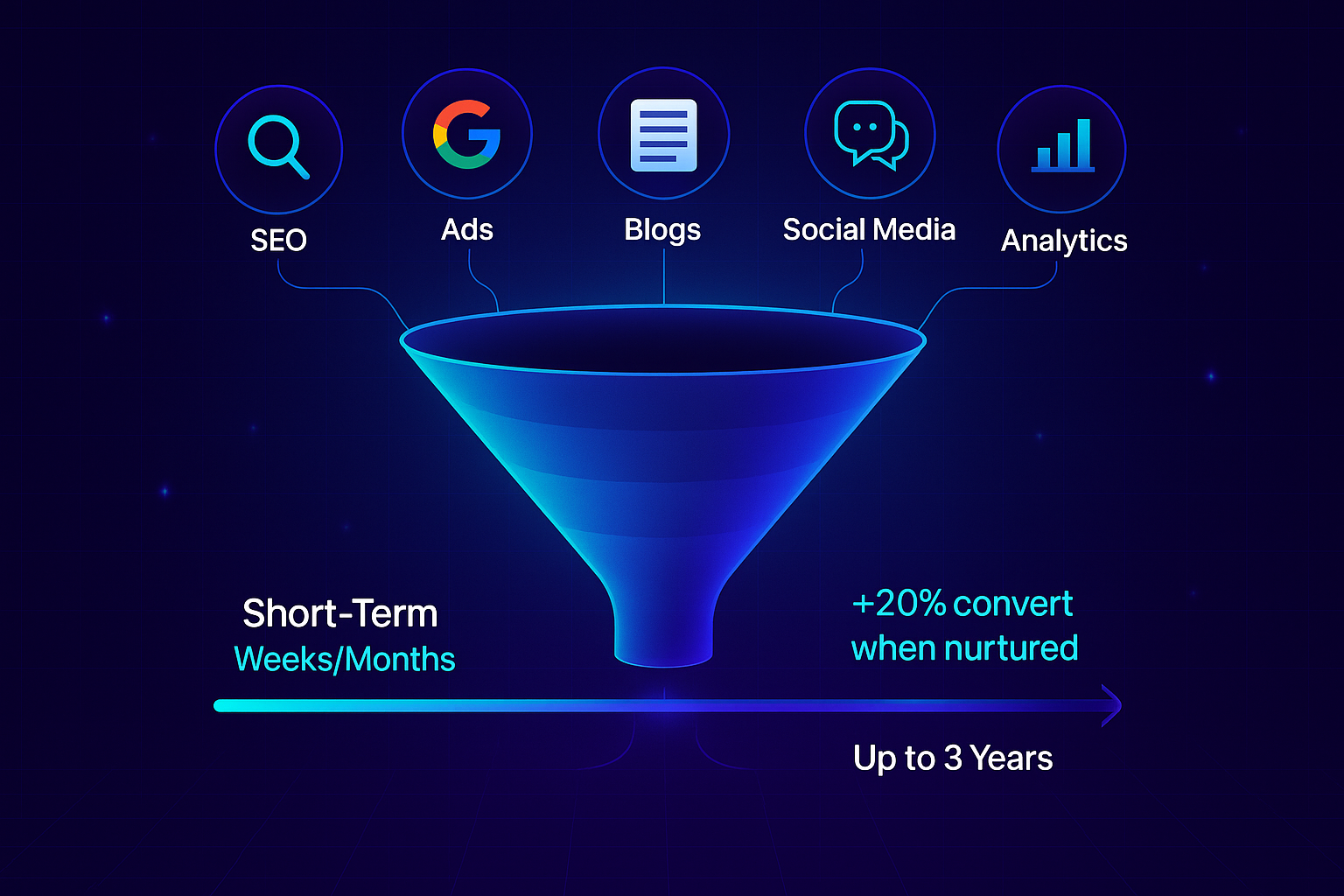
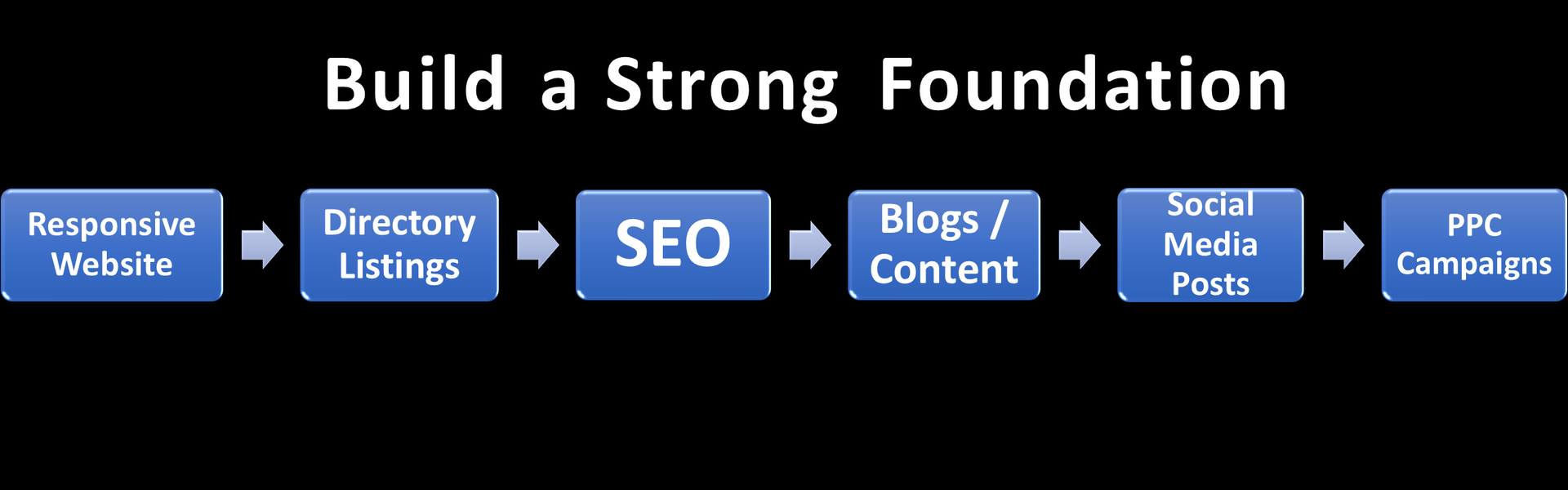
A real small business marketing strategy connects the dots between your website, SEO, content, paid ads, social media, directory listings, reviews, and lead follow-up.
Without that plan, business owners often end up with scattered activity instead of measurable growth.
Common signs your marketing is missing a strategy include:
- You are posting on social media but not getting calls, messages, or website visits.
- You are paying for ads, but do not know which campaigns are creating leads.
- Your website gets traffic, but people leave without contacting you.
- Your Google Business Profile, website, and directory listings do not all say the same thing.
- You are guessing which keywords matter instead of using search data.
- You are doing “marketing tasks” but cannot explain how they support sales.
Marketing should not feel like throwing money into the air and hoping something lands. It should feel like building a system.
2. Start With the Outcome You Actually Want
Before choosing marketing tactics, get clear on the goal.
Do you want more phone calls? More form submissions? More booked appointments? More online purchases? More local visibility? More national website traffic? More brand awareness?
The answer matters because every goal requires a slightly different strategy.
For example:
- A local service business may need stronger local SEO, directory listings, Google Business Profile updates, reviews, and phone call tracking.
- A national service business may need stronger website content, broader SEO keywords, educational blogs, paid search ads, and conversion-focused landing pages.
- An e-commerce business may need product page SEO, shopping-friendly website structure, paid ads, abandoned cart follow-up, and analytics.
- A business that already gets traffic but not leads may need website improvements before spending more on advertising.
This is why “I need marketing” is too broad.
A better starting point is:
- What are we trying to grow?
- Who are we trying to reach?
- What problem are they searching for help with?
- What should they do after finding us?
- How will we know if the strategy is working?
Once those answers are clear, your marketing becomes easier to plan and much easier to measure.
3. Fix Your Website Before Sending More Traffic to It
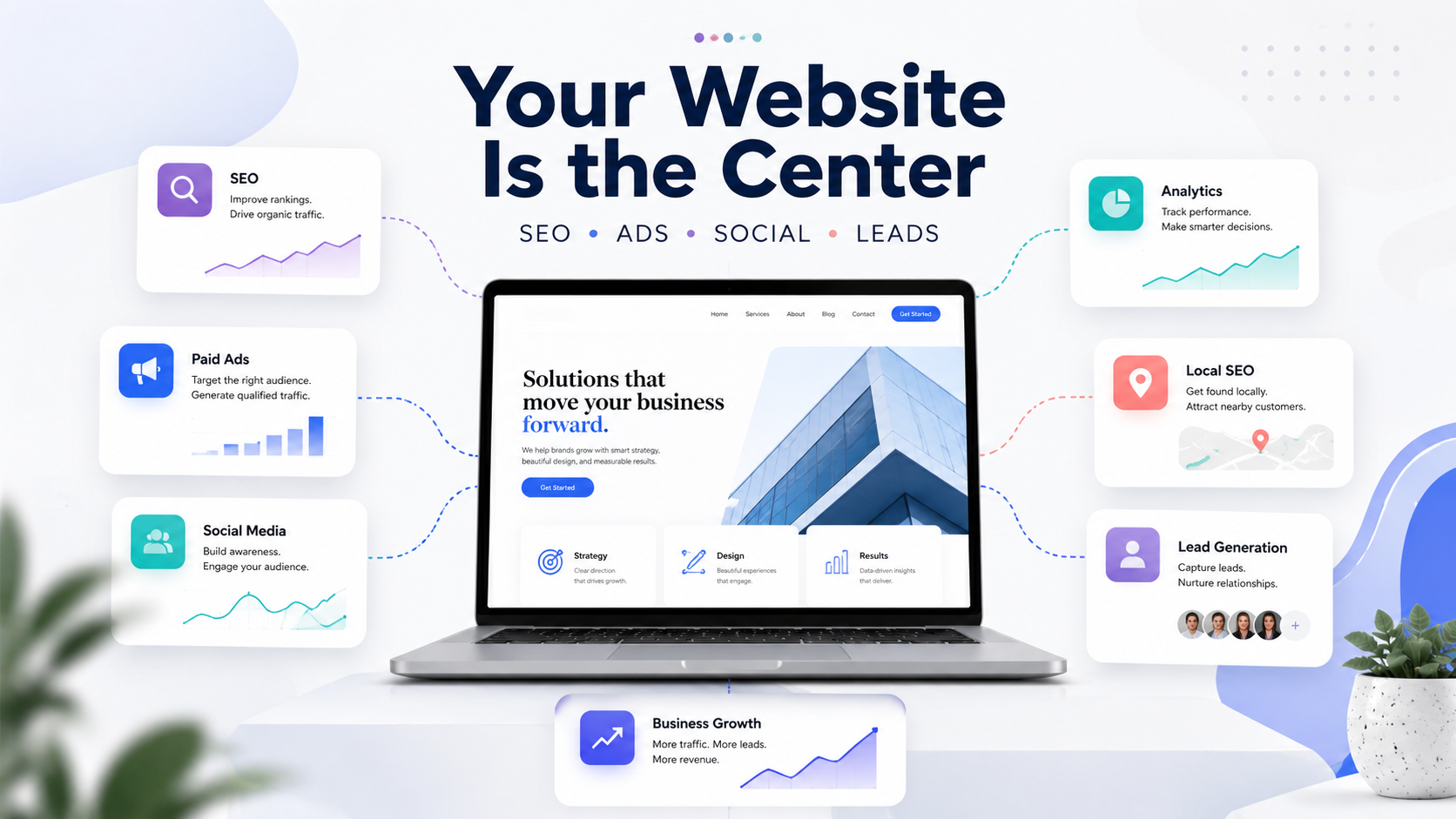
Your website is usually the center of your digital marketing strategy. Even if someone finds your business on Google, Facebook, Instagram, LinkedIn, a directory, or an ad, there is a good chance they will visit your website before taking the next step.
That means your website has to do more than look nice.
It needs to:
- Load quickly.
- Work well on mobile devices.
- Clearly explain what you do.
- Tell visitors who you help.
- Make your services easy to understand.
- Include strong calls to action.
- Build trust quickly.
- Support SEO with clear page titles, headings, content, image alt text, and internal links.
- Give users an easy way to call, book, request a quote, or submit a form.
If your website is outdated, confusing, slow, hard to edit, or missing important service pages, paid ads may only send more people to a page that does not convert.
That is like paying to bring people into a store where the lights are off, the signs are unclear, and nobody knows where to check out.
Before increasing your ad budget, make sure your website is ready to convert the traffic you already have.
4. Make Sure SEO, Directory Listings, and Business Profiles Match
Search engines are trying to understand your business. Customers are trying to trust your business. Both become harder when your information is inconsistent online.
Your business name, address, phone number, website URL, services, hours, and descriptions should be consistent across your website, Google Business Profile, Facebook page, LinkedIn page, online directories, and other listings.
This matters because digital marketing is not just about one platform. Your online presence is a network.
For local SEO and service-area businesses, consistency helps people and platforms understand:
- Who your business is.
- Where you serve customers.
- What services you provide.
- How someone should contact you.
- Whether your business looks active and trustworthy.
Google states that local ranking is influenced by relevance, distance, and prominence. In plain English, that means Google is looking at how well your business matches the search, how close or service-relevant you are, and how well-known or trusted your business appears to be.
That does not mean one directory listing magically makes you rank. It means every accurate, consistent signal helps support the bigger picture.
5. Stop Posting Just to Post and Build a Content System
Social media can be valuable, but only when it supports your larger marketing strategy.
Many small businesses post randomly because they feel like they “should” be active. The problem is that random posts rarely build a clear message.
A stronger content system includes:
- Educational posts that answer customer questions.
- Website blogs that target search intent and SEO keywords.
- Google Business posts that keep your profile active.
- Social media posts that point people back to useful website content.
- Service-focused posts that explain what you offer in simple terms.
- Trust-building posts that show experience, results, values, and helpful insight.
Think of your content like a trail of breadcrumbs.
A potential customer may see a social post today, read a blog next week, notice your Google Business Profile later, and finally contact you when they are ready. Good content keeps your business visible during that decision-making process.
The goal is not just to “post more.”
The goal is to create content that helps people understand why they need your service and why your business is the right one to trust.
6. Measure What Matters Before Scaling Ads
Ads can be powerful, but they can also waste money quickly when tracking is missing.
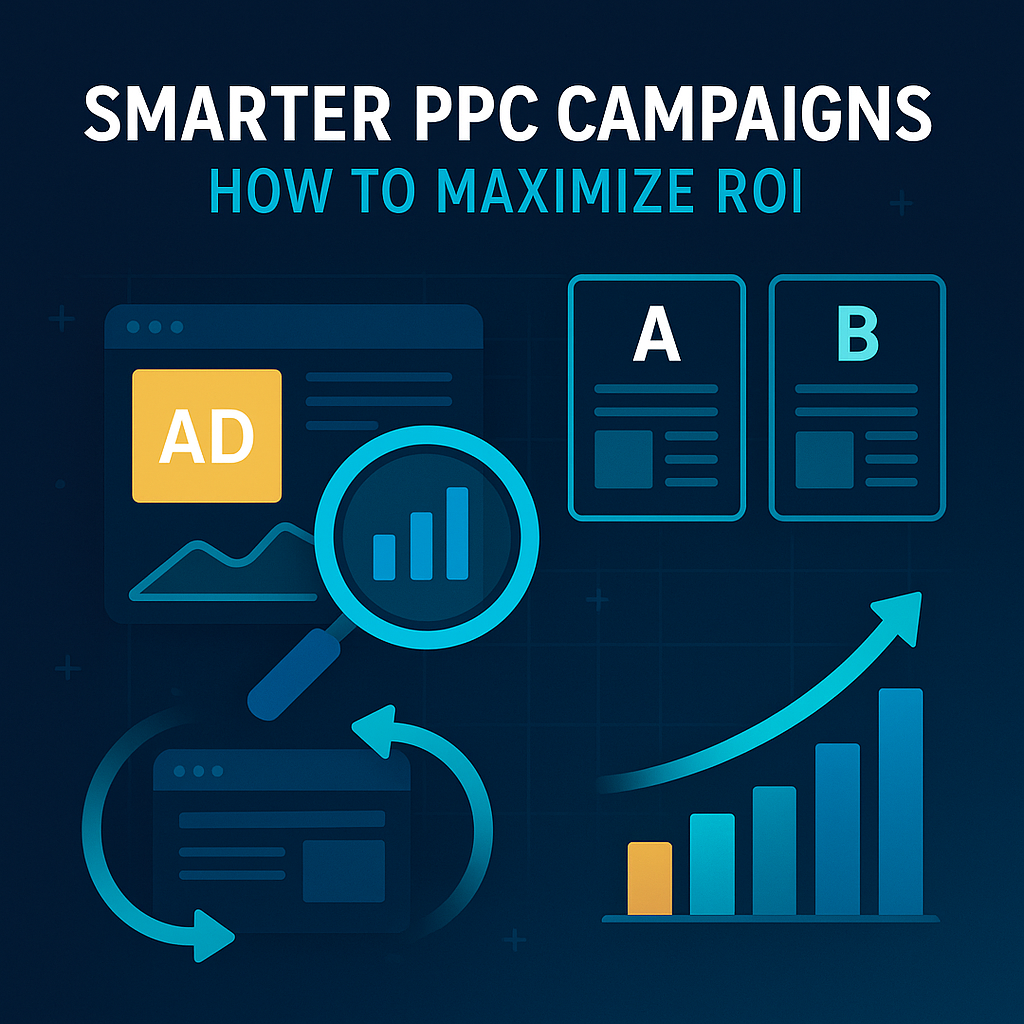
Before spending more on Google Ads, Meta Ads, YouTube Ads, TikTok Ads, or any paid advertising campaign, make sure you know what a successful result looks like.
Important things to track include:
- Website visits.
- Phone calls.
- Contact form submissions.
- Booked appointments.
- Purchases.
- Click-through rates.
- Cost per lead.
- Landing page performance.
- Which keywords, ads, audiences, or platforms are producing results.
Google Ads conversion tracking is designed to help businesses understand what happens after someone interacts with an ad. Google
Analytics can also show where website traffic comes from, including organic search, paid ads, social media, referrals, and direct visits.
In layman’s terms, tracking helps answer:
- What brought people to the website?
- What did they do once they arrived?
- Did they become a lead or customer?
- What should we improve next?
Without tracking, you are not really optimizing. You are guessing.
7. Give Your Marketing Time to Improve
Digital marketing is not a one-and-done project.
SEO takes time because search engines need to crawl, understand, and evaluate your website. Paid ads need time because performance improves through data, testing, and adjustments. Social media needs consistency because trust is built through repeated visibility. Website improvements need time because you have to watch how real users respond.
This is one of the biggest things many business owners underestimate.
They may launch an ad and check it two days later. They may publish a blog and expect instant rankings. They may update a website headline and expect leads to double overnight.
Good marketing requires ongoing review.
That includes:
- Reviewing website analytics.
- Monitoring keyword performance.
- Testing ad copy and audiences.
- Updating weak website pages.
- Improving calls to action.
- Watching which content gets engagement.
- Checking which traffic sources create leads.
- Making small improvements month after month.
Most business owners do not have time to run their business and analyze marketing performance every week. That is where working with an experienced digital marketing agency can make a major difference.
8. When to Get Help Instead of Doing It All Yourself
There is nothing wrong with learning the basics yourself. In fact, business owners should understand enough about marketing to make smart decisions.
But there is a difference between understanding marketing and trying to do every marketing task on your own.
At some point, the DIY approach can cost more in lost time, missed opportunities, wasted ad spend, weak SEO, poor tracking, and inconsistent execution.
It may be time to get help if:
- You know marketing matters, but you do not know what to prioritize.
- You have tried posting, ads, or SEO but are not seeing consistent results.
- Your website does not clearly explain your services.
- You are unsure which keywords your business should target.
- You do not have time to review analytics or improve campaigns.
- You want a full-service marketing agency that can help connect the pieces.
Mercier Marketing Group is a Brevard County-based digital marketing agency helping small businesses in Palm Bay, Melbourne, Suntree, Indian River County, throughout Florida, and across the country create smarter digital marketing strategies that connect website design, SEO, paid ads, social media, directory listings, and lead generation.
Instead of guessing what to fix next, you get a clear plan built around your business goals.
Key Takeaways
- Random marketing usually leads to random results.
- Your website, SEO, ads, social posts, directory listings, and analytics should work together.
- Your website should be ready to convert visitors before you spend more on ads.
- Tracking matters because it shows what is actually creating leads.
- SEO, paid ads, and content need ongoing review and improvement.
- A strong digital marketing strategy helps small businesses stop guessing and start growing with purpose.
FAQ
What is a digital marketing strategy for a small business?
A digital marketing strategy is a plan for how your business will use your website, SEO, content, social media, paid ads, directory listings, and analytics to attract people, build trust, and generate leads or sales.
Should I run ads before fixing my website?
Usually, no. If your website is confusing, slow, outdated, or missing strong calls to action, paid ads may send traffic to a page that does not convert. It is better to make sure your website is ready before increasing ad spend.
Why are my social media posts not bringing in customers?
Social posts often fail when they are random, overly sales-focused, or disconnected from a larger strategy. Social media should educate, build trust, and guide people toward your website, offers, or next step.
How long does digital marketing take to work?
It depends on the strategy, competition, budget, website condition, SEO foundation, and consistency. Paid ads can create faster data, but still need testing. SEO and content usually take longer to show results because they build visibility over time as Google bots continually crawl your site.
What should small businesses fix first in their marketing?
Start with your website, tracking, Google Business Profile, directory consistency, service pages, and clear calls to action. These pieces create the foundation for stronger SEO, ads, and social media results.
Does Mercier Marketing Group help local businesses in Brevard County and Florida?
Yes. Mercier Marketing Group is based in Brevard County and helps local businesses in Palm Bay, Melbourne, Suntree, Indian River County, throughout Florida, and across the country with digital marketing strategy, website design, SEO services, paid advertising, social media content, directory listings, and lead generation.
Ready to Stop Guessing and Build a Smarter Marketing Strategy?
If your marketing feels scattered, Mercier Marketing Group can help you turn disconnected tasks into a clear digital marketing strategy.
Based in Brevard County, we help local businesses in Palm Bay, Melbourne, Suntree, Indian River County, throughout Florida, and across the country build stronger online visibility, better website traffic, and smarter lead generation systems.
Schedule a free strategy session and let’s look at what your business should fix first, what can wait, and how to build a stronger online presence that supports real growth.
Free Strategy Session
Website: https://www.MercierMarketingGroup.com
Sources
Google Search Central, SEO Starter Guide: https://developers.google.com/search/docs/fundamentals/seo-starter-guide
Google Search Central, Creating Helpful, Reliable, People-First Content: https://developers.google.com/search/docs/fundamentals/creating-helpful-content
Google Business Profile Help, Tips to Improve Your Local Ranking on Google: https://support.google.com/business/answer/7091
Google Ads Help, About Conversion Measurement: https://support.google.com/google-ads/answer/1722022
Google Analytics Help, GA4 Traffic Acquisition Report: https://support.google.com/analytics/answer/12923437